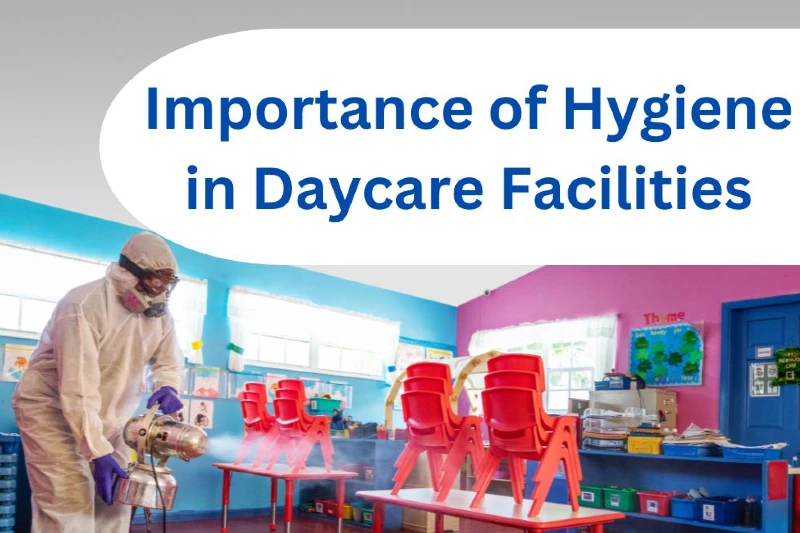
Maintaining cleanliness in daycare facilities is crucial for everyone involved, especially for the children. Proper hygiene in childcare settings is essential as it directly impacts the health of both children and staff. A clean environment helps prevent the spread of germs, resulting in fewer sick days for everyone and creating a more pleasant and healthier atmosphere. Daycare providers must ensure that all areas, including toys, surfaces, and food preparation areas, are regularly cleaned and sanitized.
Understanding the Risks
Daycare centers often face rapid transmission of common illnesses, such as flu, stomach bugs, and colds, due to close proximity and shared spaces. Inadequate ventilation, poor handwashing practices, and insufficient sanitization of toys and surfaces can exacerbate the spread of germs. Poor hygiene can lead to higher medical expenses for families, frequent illnesses among children and staff, and disruptions to the daycare routine. Therefore, maintaining high cleanliness standards is vital for reducing the spread of diseases and ensuring a healthy environment for children.
Hygiene Practices for Daycare Owners
Daycare owners must prioritize a clean and organized environment to safeguard the health and wellbeing of children and staff. Regular cleaning and sanitization of play areas, toys, and surfaces are crucial, especially after each use. Special attention should be given to areas like bathrooms and kitchens, which can harbor germs. By maintaining a clean environment and implementing rigorous hygiene practices, daycare providers can create a safe and healthy space for children.
Cleaning and Disinfection Protocols
Monitoring the health conditions of a daycare center is essential as it directly affects the overall wellbeing of the facility. Effective cleaning procedures are crucial for preventing the spread of microorganisms. Cleaning involves routine tasks such as sweeping, disinfecting floors and tables, and focusing on high-touch areas like doorknobs and toys. Proper disinfection helps eradicate bacteria and maintain a safe environment for children to play and learn.
Staff Training on Hygiene Practices
For a daycare setting, it is important to maintain a clean environment to ensure the safety and health of children. Regularly disinfecting toys, sweeping floors, and wiping down surfaces are essential practices to kill germs. Using the right cleaning agents, such as disinfectants, is crucial for efficiently removing germs without harming children or staff. Adhering to these protocols helps create a clean environment where children can play and learn without getting sick.
Establishing a Culture of Cleanliness
Promoting cleanliness in a daycare setting is fundamental to ensuring the health of everyone involved. Parents can serve as role models for children by practicing good hygiene. Employees should model proper hygiene habits, which children are likely to imitate. Additionally, teaching children about hygiene through fun activities, games, and gentle reminders can reinforce the importance of cleanliness. Daycares aim to provide a safe and healthy environment where children can thrive, emphasizing the need for rigorous hygiene practices.
Hygiene Practices for Parents
Parents can contribute to their child’s safety by discussing any health concerns, such as allergies or special medical needs, with daycare staff. Providing essentials like extra clothing, diapers, and wipes helps the daycare maintain cleanliness and quickly address spills and accidents. Effective communication between parents and daycare staff ensures a collaborative effort to promote a clean and safe environment for all children.
Communicating with Daycare Staff
Parents should communicate openly with daycare staff about proper hygiene practices to ensure their child’s wellbeing. Being transparent about health concerns allows providers to monitor and address potential issues promptly. Informing staff about allergies, medical conditions, or illness symptoms enables them to offer appropriate care. Additionally, supplying essential items like tissues, hand sanitizers, and extra clothing helps maintain the daycare’s hygiene standards.
Reinforcing Hygiene Habits at Home
Maintaining a clean and sanitary home environment is essential for family health. Teaching children proper handwashing techniques—lathering all parts of their hands with soap for at least 20 seconds—and using tissues or elbows to cover sneezes and coughs helps prevent the spread of germs. Implementing these practices at home can prevent illnesses and improve overall family health.
Monitoring Children’s Health
Ensuring the safety and wellbeing of children in daycare requires prompt action when symptoms of illness, such as fever or coughing, are observed. Sick children should stay at home to prevent the spread of germs. Daycare providers play an active role in safeguarding the health of all children by conducting regular health checks and addressing any health concerns promptly.
Collaborative Efforts for Maintaining Hygiene
Maintaining hygiene in daycare settings requires collaboration between parents and staff. Open communication is key, allowing staff to discuss any concerns or observations about children’s health or hygiene habits. Regular updates on hygiene guidelines and procedures ensure everyone is informed and aligned.
In conclusion, cleanliness in daycare facilities is vital for the health of both staff and children. Partnering with a reputable cleaning company, like Ronnies Cleaning, ensures thorough cleaning and disinfection, reducing the likelihood of illness and enhancing safety. For more insights on the benefits of daycare cleaning and disinfection, check out our blog. Let’s work together to prioritize cleanliness in daycare centers, creating an environment where children can flourish.